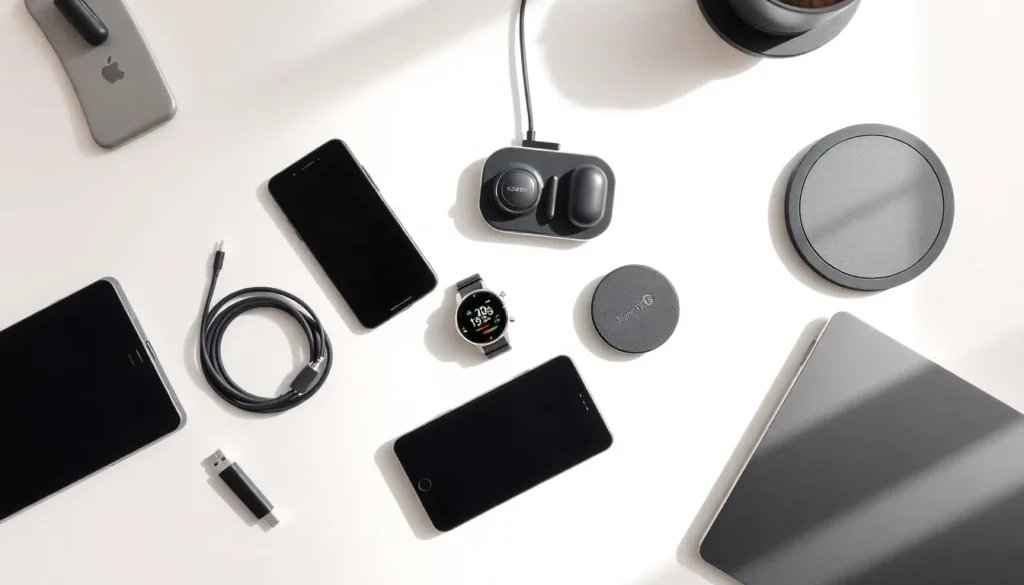
Learning how to gadgets work can feel overwhelming at first. Smartphones, tablets, smartwatches, and wireless earbuds fill store shelves and online catalogs. Each device promises to make life easier, but only if users know how to operate them correctly.
This guide breaks down the essentials. It covers setup basics, troubleshooting steps, and maintenance tips that apply to most modern gadgets. Whether someone just bought their first smartphone or received a new fitness tracker as a gift, these practical insights will help them get started with confidence.
Table of Contents
ToggleKey Takeaways
- Learning how to gadgets work starts with understanding power, charging, and basic connectivity options like Wi-Fi and Bluetooth.
- Always update your gadget’s software immediately after setup to fix bugs, patch security issues, and unlock new features.
- Common problems like slow performance and connection issues can often be fixed by restarting the device or clearing storage.
- Protect your battery by keeping charge levels between 20% and 80% and avoiding extreme heat exposure.
- Use cases, screen protectors, and regular cleaning to extend your gadget’s lifespan from 2-3 years to 4-5 years.
- Download official companion apps for fitness trackers, earbuds, and smart home devices to access their full functionality.
Understanding the Basics of Your New Gadgets
Every gadget comes with core functions that users should understand before diving into advanced features. This foundation makes everything else easier.
Power and Charging
Most gadgets use rechargeable lithium-ion batteries. Users should charge their device fully before first use. This initial charge helps calibrate the battery indicator. Different gadgets have different charging methods, USB-C cables, wireless charging pads, or proprietary connectors.
A smartphone typically needs 2-3 hours for a full charge. Smartwatches usually charge faster, often in under an hour. Users should check the manual for specific charging times.
Operating Systems and Interfaces
Gadgets run on operating systems. Smartphones use iOS or Android. Smartwatches run watchOS, Wear OS, or proprietary systems. Each OS has its own layout and navigation style.
Touchscreens respond to taps, swipes, and pinches. Physical buttons handle specific functions like power and volume. Voice assistants like Siri, Google Assistant, and Alexa add hands-free control options. Learning how to gadgets respond to these inputs takes practice, but most people adapt within a few days.
Connectivity Options
Modern gadgets connect to the internet and other devices through Wi-Fi and Bluetooth. Wi-Fi provides internet access for browsing, streaming, and downloads. Bluetooth links gadgets to speakers, headphones, cars, and other accessories.
Some gadgets also support NFC (Near Field Communication) for quick pairing and contactless payments. Understanding these connection types helps users get more from their devices.
Essential Tips for Setting Up Electronic Devices
Proper setup saves time and prevents headaches later. These steps apply to most consumer electronics.
Initial Configuration
Turn on the gadget and follow the on-screen prompts. Most devices guide users through language selection, Wi-Fi connection, and account creation. Having Wi-Fi credentials ready speeds up this process.
Create strong passwords for device accounts. Use a mix of letters, numbers, and symbols. Many gadgets offer biometric options like fingerprint scanning or face recognition, these add convenience and security.
Software Updates
New gadgets often ship with outdated software. Check for updates immediately after setup. Updates fix bugs, patch security holes, and sometimes add new features.
Most gadgets check for updates automatically. Users can also find manual update options in the settings menu. Keeping software current is one of the simplest ways to protect a device.
Syncing and Accounts
Many gadgets work best when connected to cloud accounts. Google accounts sync with Android devices. Apple IDs connect iOS gadgets. These accounts backup data, sync contacts, and enable app purchases.
Some gadgets pair with companion apps on smartphones. Fitness trackers, wireless earbuds, and smart home devices often require these apps for full functionality. Download the official app before trying to use advanced features.
Personalizing Settings
Once the basics are set, users can customize their experience. Adjust screen brightness, notification sounds, and display timeout settings. Turn off features that drain battery unnecessarily. Learning how to gadgets can be personalized makes them more enjoyable to use daily.
Troubleshooting Common Gadget Problems
Problems happen. These solutions fix most common issues without professional help.
Device Won’t Turn On
First, check the battery. Connect the charger and wait 15 minutes before trying again. Some gadgets show no signs of life until they reach minimum charge levels.
If charging doesn’t help, try a different cable or power adapter. Faulty accessories cause many apparent device failures. Also check that the outlet works by plugging in something else.
Slow Performance
Gadgets slow down when storage fills up. Delete unused apps, old photos, and cached data. Most devices show storage usage in settings.
Too many apps running simultaneously also causes lag. Close background apps manually or restart the device. A restart clears temporary memory and often restores normal speed.
Connection Issues
Wi-Fi problems usually start with the router. Restart it by unplugging for 30 seconds. If other devices connect fine, the gadget itself needs attention.
Forget the Wi-Fi network in settings, then reconnect. This forces a fresh connection. Bluetooth issues respond to similar treatment, unpair and re-pair the devices.
Unresponsive Screen
Force restart fixes most frozen screens. The method varies by gadget. iPhones require pressing specific button combinations. Android devices usually restart by holding the power button for 10-15 seconds.
If the screen stays black or glitchy, it might be a hardware problem. Contact the manufacturer or visit a repair shop. Understanding how to gadgets respond to basic troubleshooting helps users determine when professional help is actually needed.
Maintaining and Extending Your Gadget’s Lifespan
Good habits keep gadgets working longer. These maintenance practices protect the investment.
Battery Care
Lithium-ion batteries last longest when kept between 20% and 80% charge. Constant full charges and complete drains stress the battery. Avoid leaving gadgets plugged in overnight regularly.
Heat damages batteries. Don’t leave devices in hot cars or direct sunlight. Remove cases during intensive use if the gadget gets warm.
Physical Protection
Cases and screen protectors prevent damage from drops and scratches. Quality accessories cost far less than screen repairs. Tempered glass protectors absorb impact that would otherwise crack displays.
Keep gadgets away from water unless they’re rated for water resistance. Even water-resistant devices shouldn’t be submerged intentionally. Moisture damage often voids warranties.
Software Maintenance
Delete apps that haven’t been used in months. They take up space and sometimes run background processes. Review permissions periodically, some apps request access they don’t need.
Clear browser cache and app data monthly. This removes accumulated files that slow performance. Back up important data to cloud storage or external drives regularly.
Cleaning Your Devices
Wipe screens with microfiber cloths. Paper towels and tissues can scratch surfaces. For stubborn grime, dampen the cloth slightly with water.
Ports collect dust and lint. A wooden toothpick gently removes debris from charging ports. Compressed air works for speakers and grilles. Clean gadgets stay functional gadgets.
Knowing how to gadgets need care helps users avoid premature replacements. A well-maintained smartphone can last 4-5 years instead of the typical 2-3.