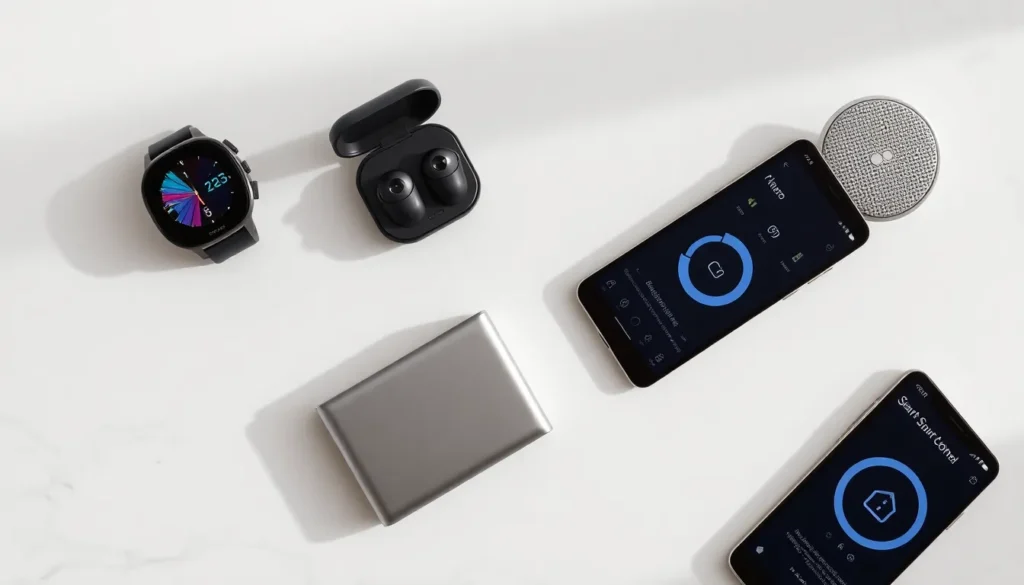
Modern gadgets have changed how people manage daily tasks at home, work, and everywhere in between. From smart speakers that control lighting to fitness trackers that monitor heart rates, these devices save time and reduce stress. The right gadgets can automate routines, improve health habits, and keep users connected no matter where they are. This guide explores the best gadgets across several categories and offers practical tips for selecting devices that fit individual lifestyles. Whether someone wants to upgrade their home setup or find portable tech for travel, these recommendations will help.
Table of Contents
ToggleKey Takeaways
- Smart home gadgets like thermostats and lighting systems can automate daily routines and reduce energy bills by up to 15%.
- Wearable gadgets such as fitness trackers and smartwatches help users monitor health metrics and stay connected without pulling out a phone.
- Portable tech like power banks and e-readers solves common travel challenges by keeping devices charged and entertainment accessible on the go.
- Matching gadgets to specific daily pain points ensures you invest in devices that provide real, practical value.
- Always check ecosystem compatibility before purchasing gadgets to avoid connection issues between Apple, Google, and other platforms.
- Reading reviews from trusted tech sources like CNET and Wirecutter helps you compare models and make informed buying decisions.
Smart Home Devices for Modern Living
Smart home gadgets have become essential tools for homeowners and renters alike. These devices connect to Wi-Fi networks and allow users to control various functions through voice commands or smartphone apps.
Smart Speakers and Voice Assistants
Devices like the Amazon Echo and Google Nest Hub serve as central control points for smart homes. Users can ask questions, set timers, play music, and control other connected gadgets with simple voice commands. These speakers also integrate with calendars and can provide weather updates, news briefings, and reminders throughout the day.
Smart Lighting Systems
Philips Hue and similar smart bulbs let users adjust brightness and color temperature from their phones. Many people set schedules so lights turn on automatically at sunset or dim gradually before bedtime. This automation saves energy and creates comfortable environments without manual switches.
Smart Thermostats
Gadgets like the Nest Learning Thermostat and Ecobee track household patterns and adjust temperatures accordingly. These devices can reduce heating and cooling bills by 10-15% annually. They also allow remote control, so users can warm up their homes before arriving from work.
Video Doorbells and Security Cameras
Ring and Arlo offer video doorbells that show visitors in real time through smartphone notifications. Users can speak with delivery drivers or guests even when away from home. Indoor and outdoor cameras add extra security layers and store footage in the cloud for later review.
Wearable Technology for Health and Productivity
Wearable gadgets sit on wrists, clip to clothing, or fit in ears. They track physical activity, monitor health metrics, and keep users informed without pulling out a phone.
Fitness Trackers
Fitbit and Garmin fitness bands count steps, measure heart rate, and estimate calories burned. Many models track sleep quality and provide insights about rest patterns. These gadgets motivate users to hit daily movement goals and build healthier habits over time.
Smartwatches
The Apple Watch and Samsung Galaxy Watch combine fitness tracking with smartphone features. Users receive calls, texts, and app notifications directly on their wrists. GPS capabilities help runners and cyclists track routes without carrying phones. Some models even include ECG sensors and blood oxygen monitors for health-conscious users.
Wireless Earbuds
AirPods, Galaxy Buds, and Sony WF series earbuds provide high-quality audio without tangled cords. Active noise cancellation blocks distractions during work or travel. Many people use these gadgets for hands-free calls, podcasts, and music throughout their day.
Smart Rings
Oura Ring and similar devices offer discreet health tracking in a compact form. These gadgets monitor sleep stages, body temperature, and activity levels. They appeal to users who want data without wearing a bulky watch.
Portable Tech for On-the-Go Convenience
Portable gadgets solve common problems during commutes, travel, and outdoor activities. These devices pack powerful features into compact sizes that fit in pockets and bags.
Power Banks and Portable Chargers
Anker and Mophie produce reliable power banks that charge smartphones multiple times on a single battery cycle. Models with 10,000-20,000mAh capacity can keep devices running for days during trips. Some include wireless charging pads for added convenience.
Portable Bluetooth Speakers
JBL Flip and Bose SoundLink speakers deliver impressive sound quality in waterproof designs. These gadgets work well at beaches, campsites, and backyard gatherings. Battery life typically ranges from 12-24 hours on a single charge.
E-Readers
Amazon Kindle and Kobo devices store thousands of books in a lightweight package. E-ink displays reduce eye strain compared to tablets and phones. Many readers find these gadgets perfect for travel since they eliminate the weight of physical books.
Travel Routers and Hotspots
Portable Wi-Fi hotspots from carriers like Verizon and T-Mobile provide internet access in areas with weak signals. Frequent travelers rely on these gadgets to stay connected in hotels, airports, and remote locations.
How to Choose the Right Gadgets for Your Needs
Selecting gadgets requires careful thought about lifestyle, budget, and compatibility with existing devices.
Identify Daily Pain Points
Buyers should list tasks that consume too much time or cause frustration. Someone who forgets to turn off lights might benefit from smart bulbs. A person who loses track of fitness goals could start with a basic activity tracker. Matching gadgets to specific problems ensures practical value.
Check Ecosystem Compatibility
Apple users often prefer gadgets that integrate with iOS and HomeKit. Android users might lean toward Google-compatible devices. Mixing ecosystems sometimes creates connection issues or limits functionality. Researching compatibility before purchase prevents headaches later.
Set a Realistic Budget
Gadgets range from $20 fitness bands to $400 smartwatches. Premium devices offer more features but may include capabilities users never touch. Mid-range options often provide the best balance of price and performance for most people.
Read Reviews and Compare Models
User reviews reveal real-world performance that marketing materials skip. Tech websites like CNET, The Verge, and Wirecutter publish detailed comparisons that help buyers make informed decisions. Checking multiple sources reduces the risk of disappointment.
Consider Future Needs
Some gadgets receive software updates for years while others become outdated quickly. Buyers should research manufacturer support policies before investing in expensive devices. Choosing products with strong update histories extends useful lifespan.